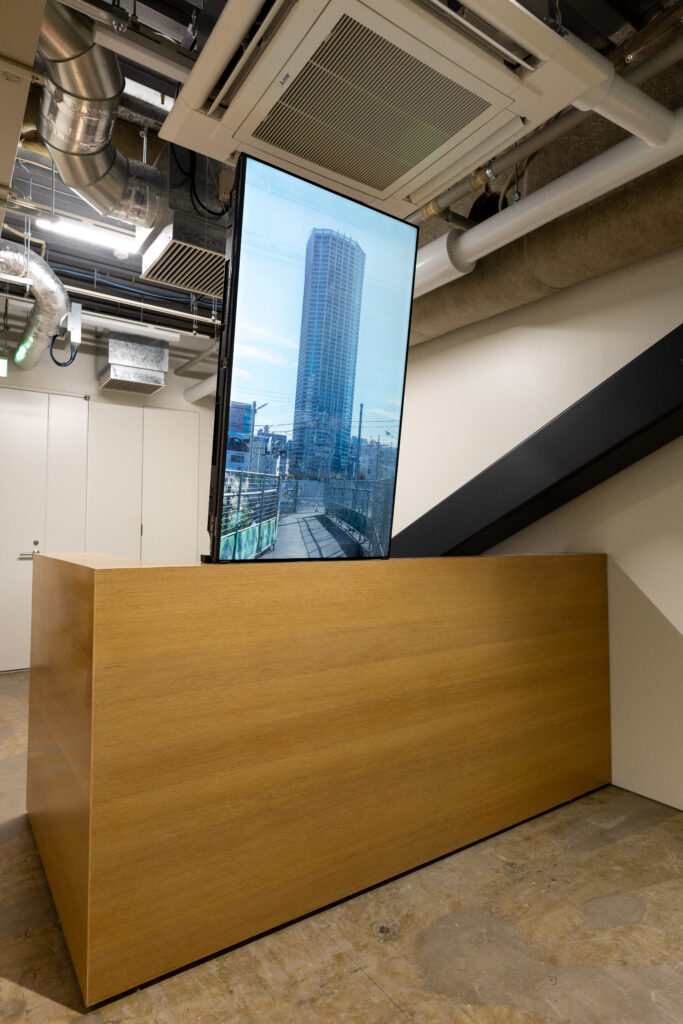
逆・様|Reverse / Reverence
《逆・様|Reverse / Reverence》
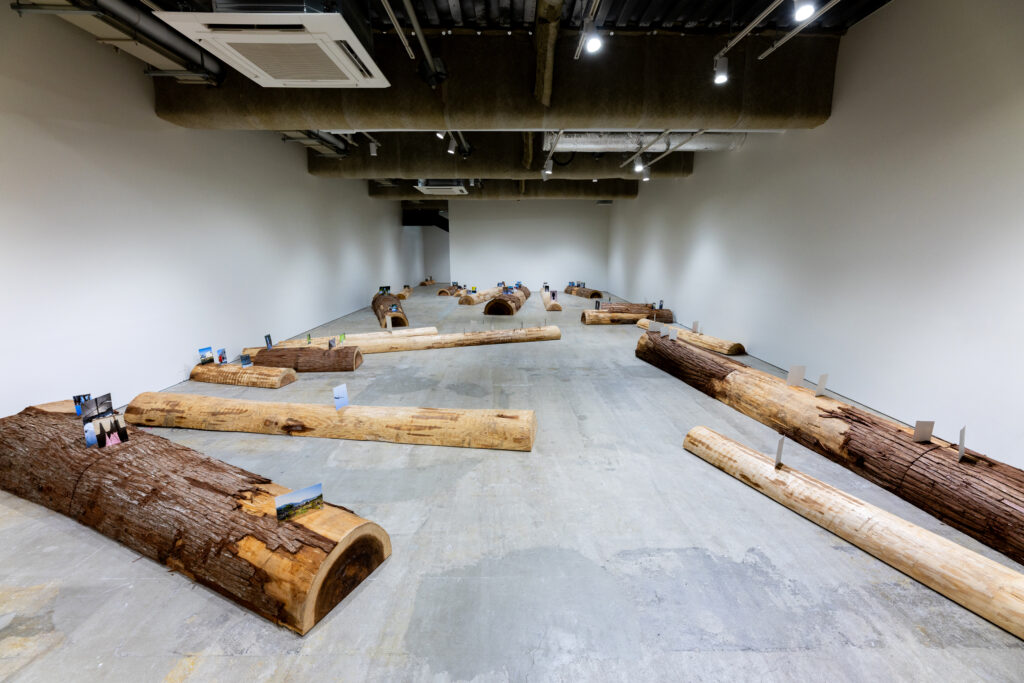
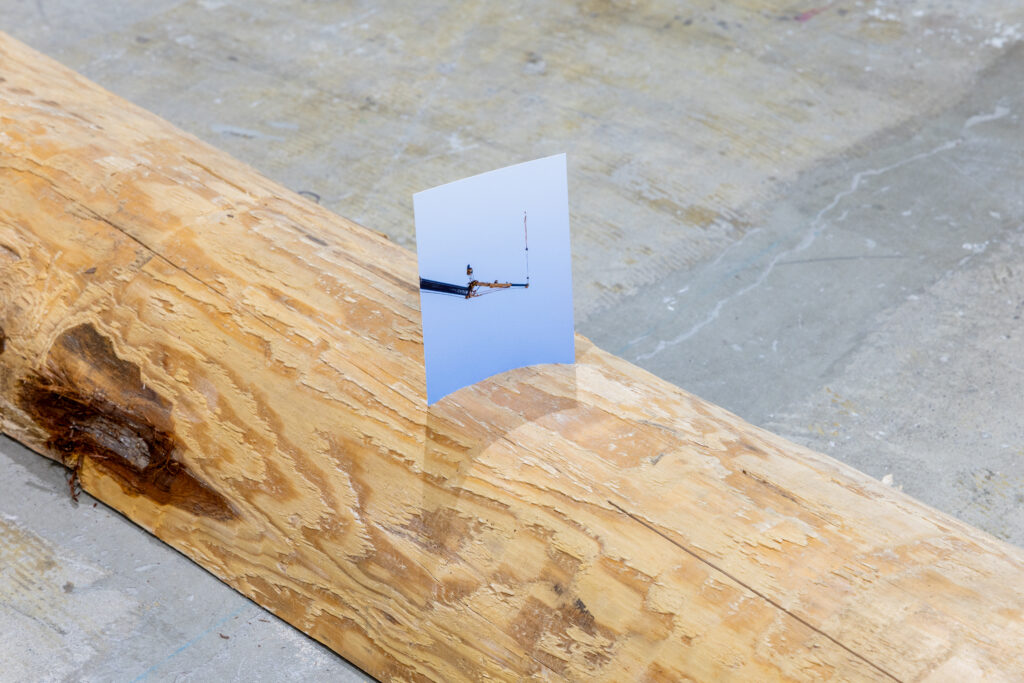
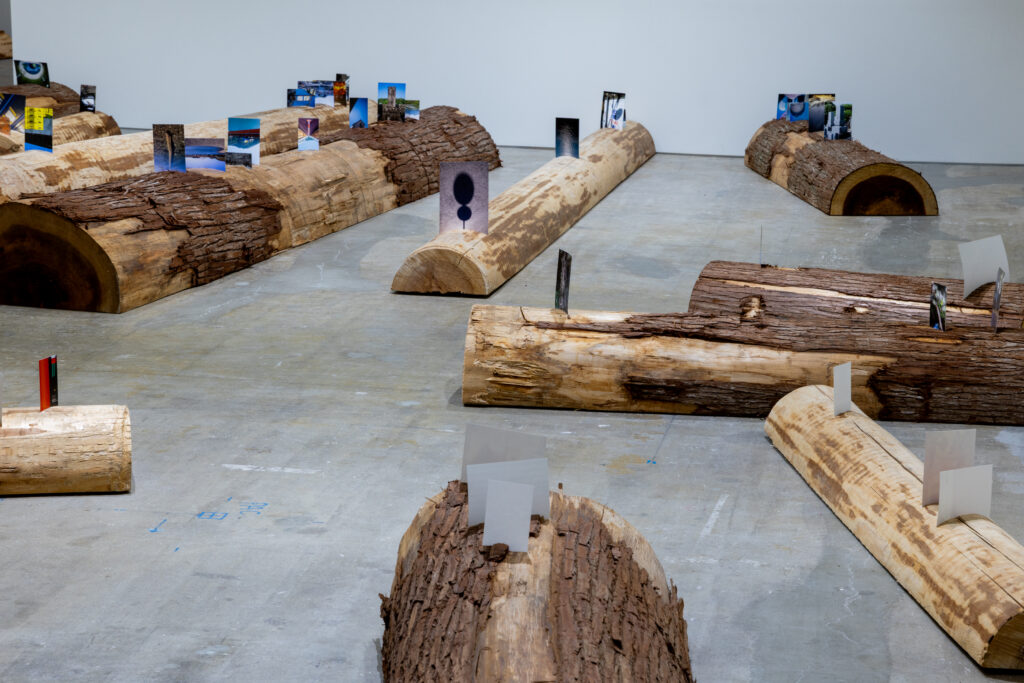
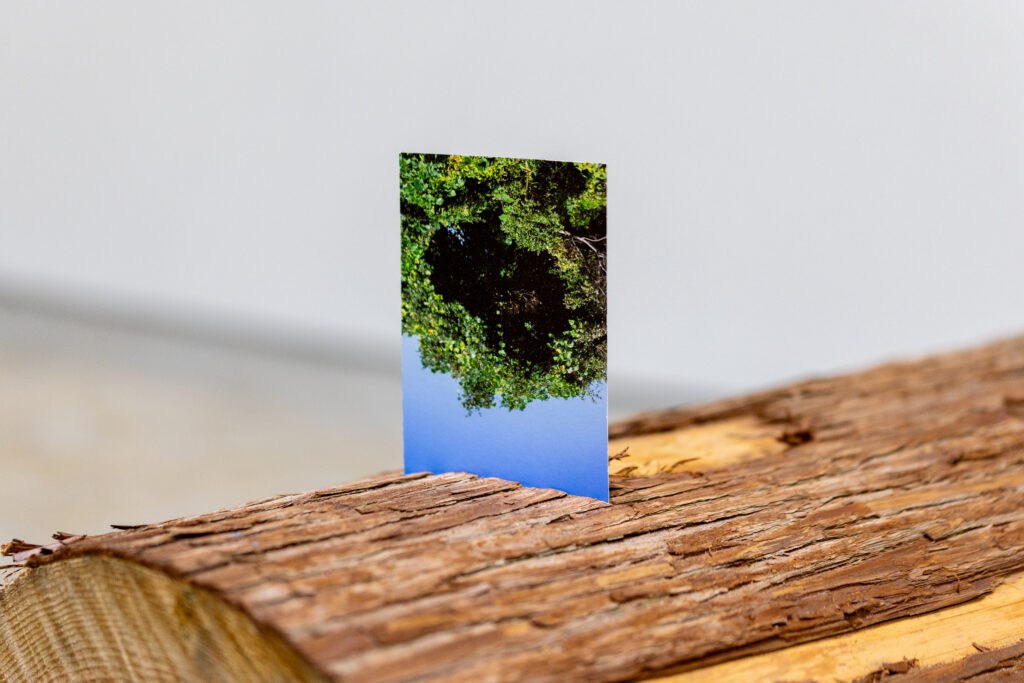
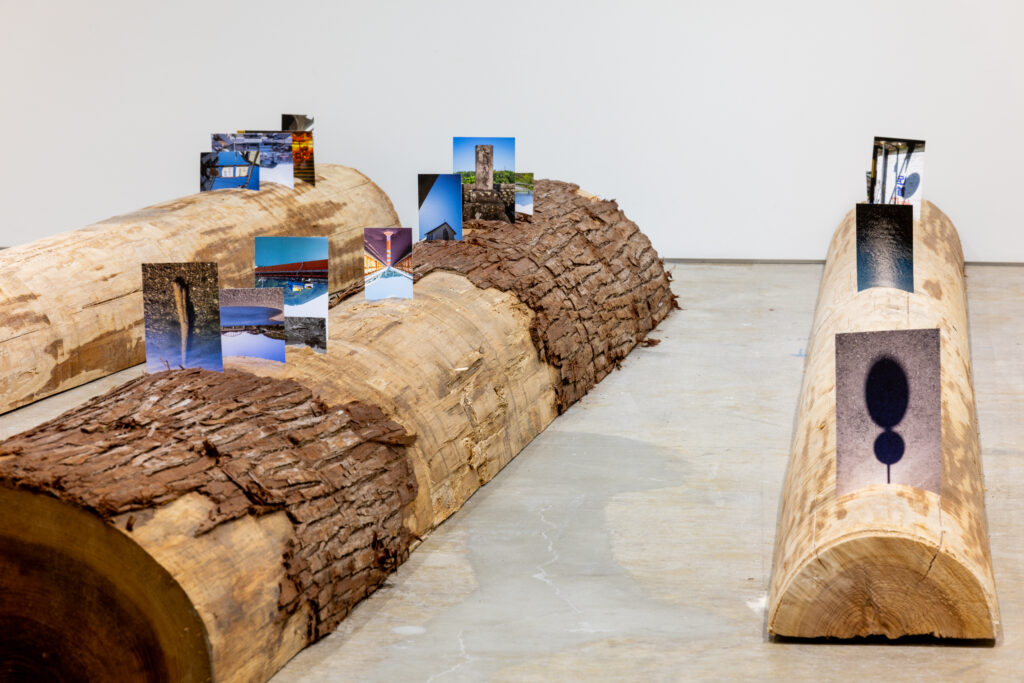
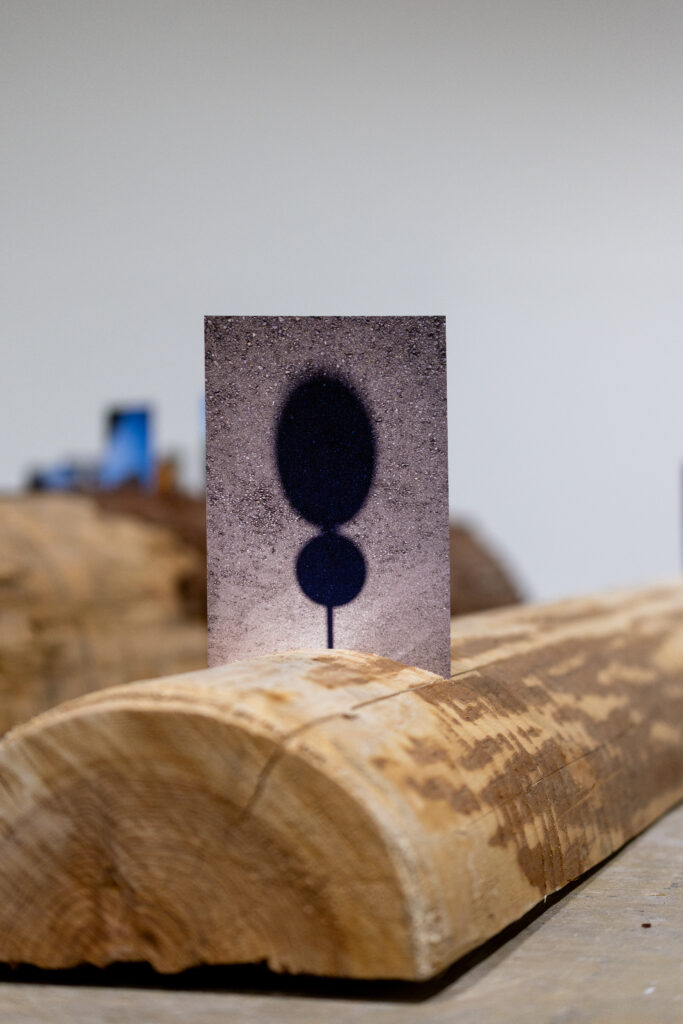
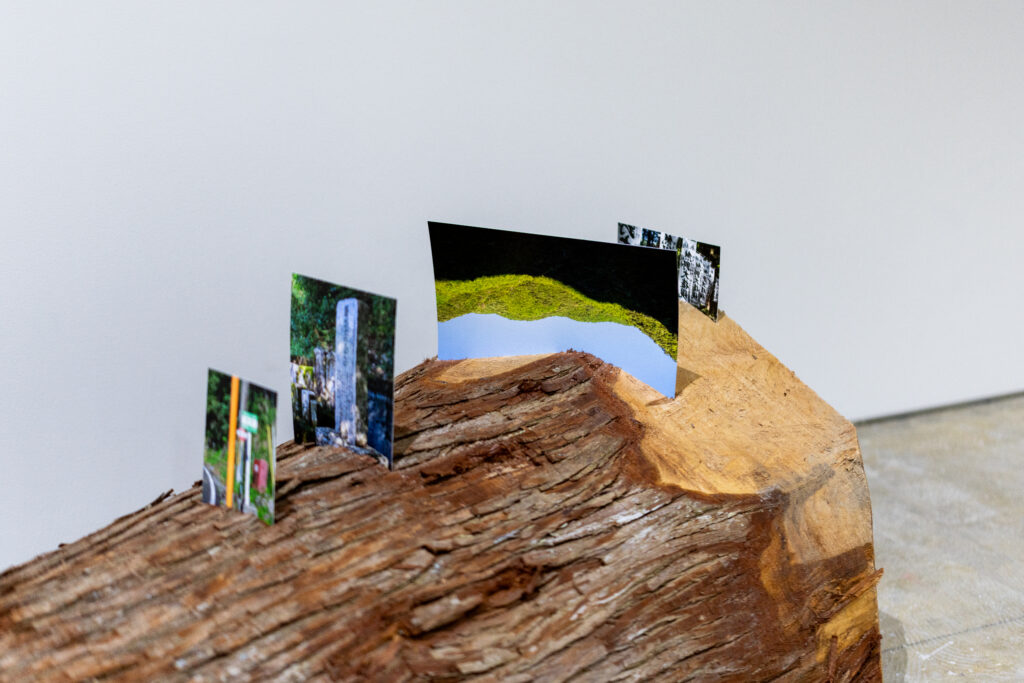
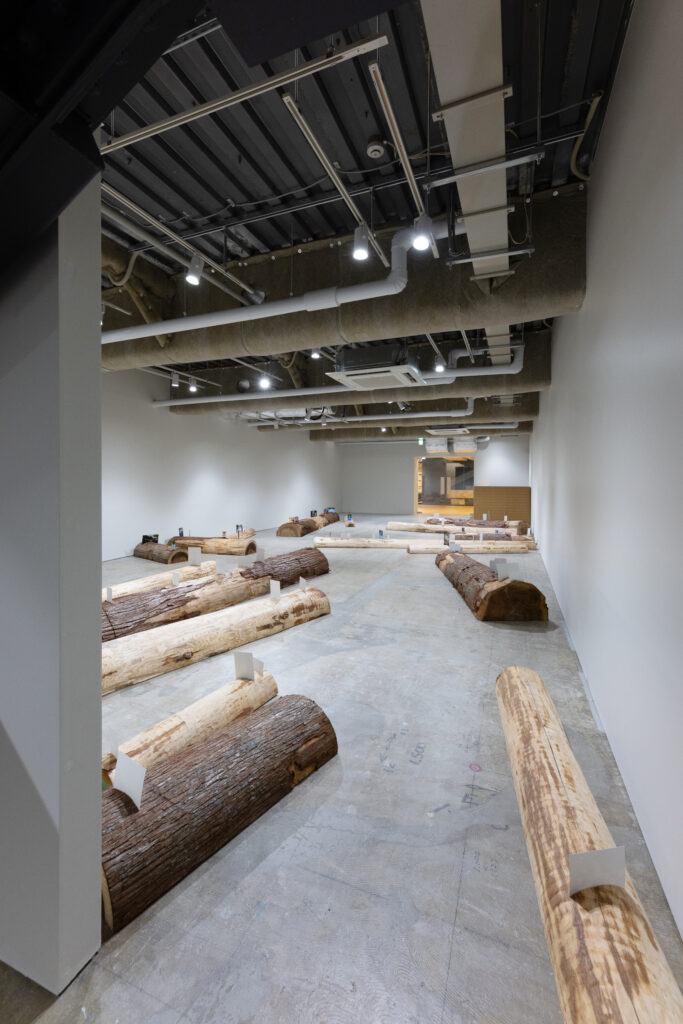
和歌山県 紀伊山地で調達された木材、写真、ビデオ
Materials: Wood sourced from the Kii region, Wakayama Prefecture; photograph; video
今年に入ってから幾つかの墓の前に立った。それらは紀伊半島の先の方、和歌山県新宮市と田辺市、そして三重県御浜町にあった。しかし墓と自身の血縁とは関係がなく、また故人ともその親族とも面識はない。そこに足を運んだのは、新宿区富久町児童遊園内に建てられた刑死者慰霊塔の存在を知ったためである。
当然ながら、墓や碑は容易に動かせない構造をしている。墓へ参るには、自らの身体をそこに運ぶしかない。墓が自らやって来る、なんてことはない。墓には動かない理由がある。新宮市の墓も田辺市の墓も御浜町の墓も富久町児童遊園の慰霊塔も、それがそこに建つ理由を持っている。もし動くことがあれば墓や碑が個別に持っている意味がもがれてしまうだろう。一方写真はどうだろうか。景勝地を、人を、かつての姿を、持ち運び可能なものにする。発明以来、写真は移動することを宿命づけられたメディアであるようだ。人は不動の存在に憧れそれを欲する。その欲求が人の移動を促し交わりを生み、やがて写真や言葉に、光や音に代替されていく。
人は人を忘れていく。人の行いを、想いを忘れていく。自然にも意図的にも。忘却に抵抗するため刻まれてきたイメージ、そして言葉。死の地点に立ち現在に目をやること、あるいはその逆。今ここに在ることを直視しながら、同時にありえるかもしれない別の姿を眼差し、次なる形を探すこと。「順」行と「逆」行に目と身体を沿わせながら。
Since the beginning of this year, I have stood before several graves. They were located toward the southern end of the Kii Peninsula: in Shingu and Tanabe, Wakayama Prefecture, and in Mihama, Mie Prefecture. I have no blood relation to those buried there, nor did I ever know them or their families. I made my way to these places after learning of a memorial monument to those who were executed, erected in Tomihisa-cho Children’s Park in Shinjuku, Tokyo.
Graves and monuments, by their very nature, are not easily moved. To visit a grave, one has no choice but to carry one’s own body to where it stands. A grave does not come to you. There is a reason for a grave to remain where it is. The graves in Shingu, Tanabe, and Mihama, as well as the memorial monument in Tomihisa-cho Children’s Park, each have a reason for standing where they do. Were they to be moved, something of the particular meaning each grave or monument carries would be torn away.
But what about a photograph? A photograph makes a scenic place, a person, or the way something once was portable. Since its invention, photography seems to have been a medium destined to travel. People are drawn to things that do not move, and desire them. That desire sets people themselves in motion, bringing them into contact with one another, until eventually these encounters are translated into photographs and words, into light and sound.
People forget other people. They forget what people have done, and what they once felt—sometimes naturally, sometimes deliberately. Images and words have been inscribed in resistance to that forgetting.
To stand at the site of death and turn one’s gaze toward the present—or to do the reverse. To look directly at what exists here and now, while at the same time gazing toward another form that might have been possible, and searching for what might take shape next. Letting the eyes and the body follow both directions: forward and reverse.